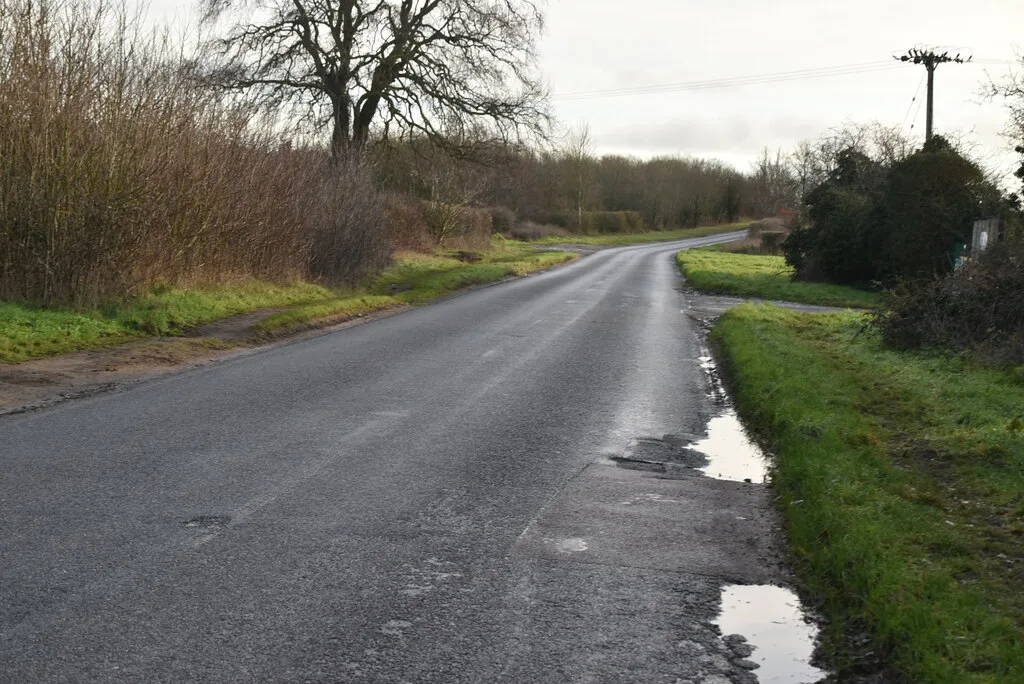

The developer refused 100 homes off Horseheath Road, Linton, has appealed. It says the council lacks a 5-year housing supply; the council now says 7.83 years.
The developer behind up to 100 homes on farmland off Horseheath Road in Linton has appealed to the Planning Inspectorate. South Cambridgeshire District Council’s Planning Committee refused the scheme unanimously in July.
The appeal was announced in a statutory notice dated 30 September and published on the Public Notice Portal. It was placed by Savills on behalf of Endurance Estates and the landowners, and covers application 26/00415/OUT.
The notice is addressed to owners of the land and agricultural tenants. They have until 14 October to send representations to the Planning Inspectorate.
What was refused, and why
The outline application was for up to 100 homes on 6.76 hectares of arable land at the eastern edge of Linton, between Horseheath Road and Bartlow Road. Only the access onto Horseheath Road was fixed. The applicant offered 40% affordable homes, according to the officer report.
Linton Parish Council called the application in to the committee. Officers recommended refusal, and on 8 July the committee agreed by a unanimous vote, the minutes record. There were four reasons:
- Countryside. The site is outside Linton’s development framework, and the scheme conflicts with the district’s policy of concentrating growth inside existing settlements.
- Landscape. Building there would cause “significant harm to the character and appearance of the landscape”. In the debate, one member referred to the committee’s site visit and said the slope of the land meant the proposed woodland was unlikely to screen the houses.
- Farmland. About 6.76 hectares of land “likely to be best and most versatile” would be lost for good.
- Infrastructure money. The developer had not agreed two payments the council asked for: £616,966.63 towards Linton Recreation Ground and £264,414.27 towards Linton Sports Centre. A £20,000 green infrastructure payment had been agreed in principle.
The officer report lists 18 objections from the public. The council’s landscape and urban design officers and its health development officer objected too. County highways, Historic England, the Environment Agency and Anglian Water did not.
The argument the appeal will turn on
The biggest disagreement in the papers is over one number: how many years of housing land the council can show it has. The appeal grounds have not been published, but the developer’s own assessment made this its central argument.
National planning policy expects councils to show five years’ worth of deliverable housing sites. Where they cannot, the balance tips towards approving homes even on land outside a village’s boundary.
The two sides are far apart on this:
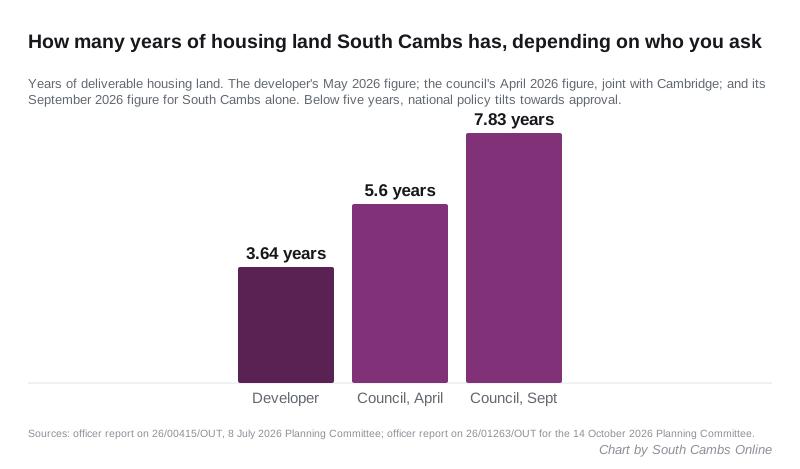
- The developer submitted an assessment, updated in May 2026, saying the council had only 3.64 years of supply, a shortfall of 3,211 homes.
- The council said in July that it had 5.6 years. That figure was calculated jointly with Cambridge City Council, as the 2018 Local Plans require.
- Officers rejected the developer’s method on several points. They disagreed with its use of 2025 to 2030 as the five-year period, rather than 2026 to 2031, and with its housing need figure.
Since then the council’s position has got stronger, not weaker. A new National Planning Policy Framework was published in August 2026, and councils now have to calculate supply on their own rather than jointly. The council’s September addendum puts South Cambridgeshire’s supply at 7.83 years. That figure is set out in the officer report on a Hardwick application going to the committee on 14 October.
Why the field next door matters
This is not the first time this edge of Linton has gone to appeal. The officer report attached an earlier decision for the land immediately to the west, now the Michaelotts estate.
- In March 2018 a planning inspector allowed up to 50 homes there on appeal (APP/W0530/W/17/3174153). Details for 42 homes and 0.45 hectares of allotments were approved in 2020.
- The inspector found harm to the countryside. But the council could not show a five-year supply at the time, and that weighed heavily in favour of the homes.
- To the south, 55 homes off Bartlow Road were approved by the council in 2017 for the same reason.
At the July meeting, officers told members the difference this time was that the council could show a five-year supply. The developer’s assessment says it cannot.
What happens next
The appeal does not yet appear on the council’s list of appeals received. That list was published for the 14 October committee. We could not find a start date, or whether the appeal will be decided in writing, at a hearing or at a public inquiry.
When the Planning Inspectorate starts an appeal, the council normally writes to everyone who commented on the application. Comments made on the original application are normally passed to the inspector.
What it means for you
- If you objected in the spring, your comments go to the inspector. Watch for a letter from the council once the appeal starts. That letter will say whether, and by when, you can add to them.
- If you own or farm part of the land, the 14 October deadline in the notice applies to you.
- The infrastructure money is still live. The July report asked for officers to be given authority to negotiate the planning obligations if an appeal came in. That would cover the more than £880,000 sought for the recreation ground and sports centre, if the inspector allows the homes.
- This is one of the last cases of its kind. Linton Parish Council could call this application in to the committee. From 31 October, parish councils lose that power, as we report here.
You can follow the district’s other big schemes on our planning news page.
Have your say